
Check If Your EPC Has Quietly Improved

Think your rental’s stuck below EPC Band C? The new rules might already have bumped you up without you lifting a finger.
In our recent blog post, we boiled down the proposed changes to Energy Performance Certificates (EPC) and Minimum Energy Efficiency Standards (MEES). The headline? EPC Band C (or its future equivalent) will soon be the minimum legal standard for rental properties. Get the full low-down here.
Rather than dwell on the challenges, we prefer to look ahead. That’s why we’ve developed four practical strategies landlords can act on today to stay ahead of the curve.
Strategy #1 involves checking if your property’s EPC rating has quietly improved, even without you lifting a hammer. How? Read on below!
How Does It Work?
As of 15th June 2025, all new EPCs on existing properties are calculated using a new model (the technical name is ‘RdSAP 10’, but we don’t need to worry about that for now!)
This model is a more realistic and, in some cases, more favourable model. In practice, this means that some properties that were previously below EPC Band C using the old EPC model may now already be compliant. Rather than spending thousands of your hard-earned pounds on retrofitting your property, you may only need to spend around £100 on a new EPC assessment.
Also – and this is crucial – if you lodge an EPC at Band C or better before the new EPC certificate system launches (likely late 2026), it is expected to be treated as compliant until it expires. Given the current 10-year validity, that could take you all the way to 2035/36!
Could My Property Qualify Without Upgrades?
Given that EPC’s are complex and tailored to your property, we cannot give you an exact view on your property in this blog post. That’s where the Green Home Guide online tool comes in (more on that below). However, EPC score improvements are being seen for the below reasons:
- Older solid-wall homes – Assessors now look at the real thickness of those chunky bricks rather than using a one-size-fits-all rule. Thicker walls naturally leak less heat, so these homes pick up extra EPC points.
- 1930–75 cavity-wall houses – The model’s default settings have been updated to reflect that these walls perform better than previously modelled.
- Flats that sit next to warm communal corridors or stairwells – Shared walls and floors are finally recognised as handy heaters.
- Lofts already sporting 300 mm of insulation (or more) – The cap has been lifted so assessors can count to 400 mm (originally 270mm). Extra quilt in the loft equals less heat escaping through the roof, nudging scores upward.
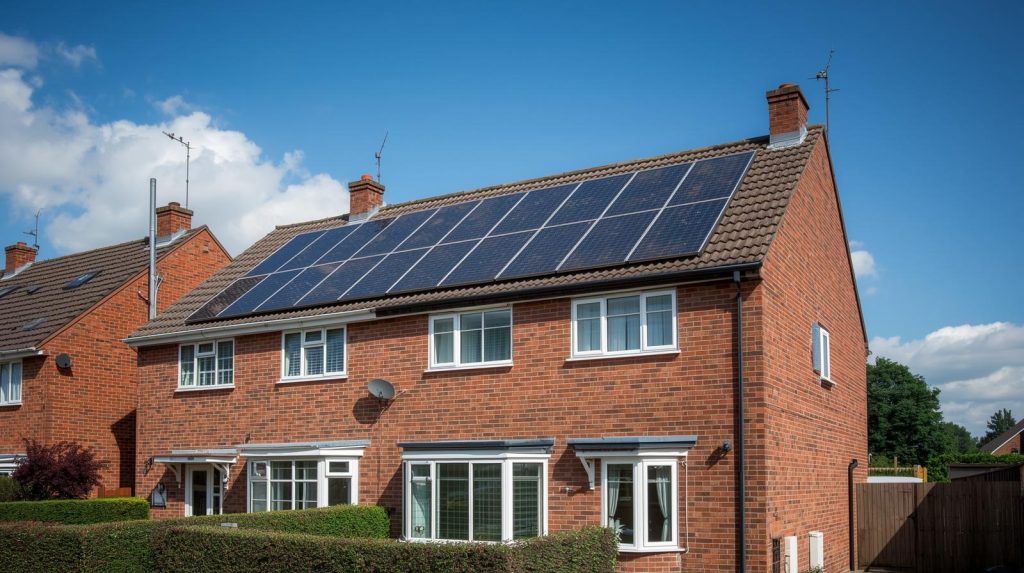
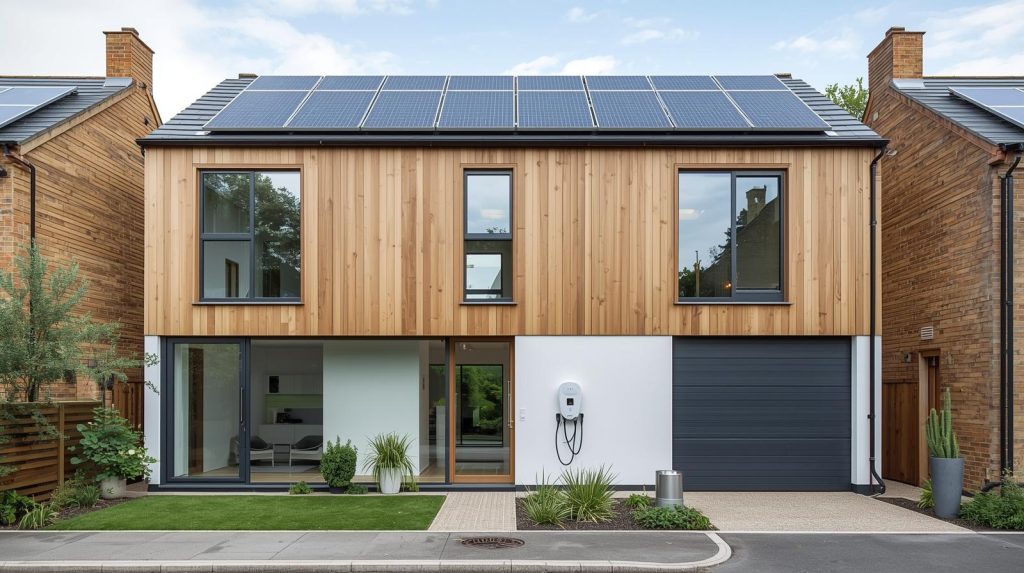
- Solar PV systems with diverters or batteries – New calculations reward households for using their own solar power instead of exporting it all.
What’s more, there’s a reasonable chance that since your last EPC lodgement, some small tweaks have taken place in your property. For example, things like LED lights are becoming more prevalent, and these can also lift your score.
What’s the Catch?
While locking in an EPC Band C rating now offers solid protection, it’s not a get-out-of-jail-free card forever. Here’s what might force you getting a new EPC sooner:
- Major renovations – Extensions or heating upgrades often trigger a fresh EPC.
- Shorter validity periods – Future rules might shorten EPC lifespan from 10 to 5–7 years, though existing certificates are expected to be honoured.
The bottom line is that a 2025/2026 EPC likely protects you until 2035/2036 unless you decide to replace it or carry out major work on your property.
What Should I Do Next?
Green Home Guide are building an online tool that will calculate your likely EPC rating under the new model. No property visit needed. No tenants to unsettle. We propose you use this tool before you commit to ordering a new certificate and incurring hefty costs and inconvenience.
Want to learn about our other strategies? Check out strategy #2 here.
References
- Reforms to the Energy Performance of Buildings consultation (Dec 2024–Feb 2025): https://www.gov.uk/government/consultations/reforms-to-the-energy-performance-of-buildings-regime
- MEES consultation for private rented sector (Feb 7–May 2, 2025): https://www.gov.uk/government/consultations/improving-the-energy-performance-of-privately-rented-homes-2025-update/improving-the-energy-performance-of-privately-rented-homes-consultation-document-html
- RdSAP 10 Specification (June 2025): https://bregroup.com/expertise/energy/sap/sap10
- RdSAP Conventions v12 (June 2025): https://bregroup.com/expertise/energy/sap/sap10
Hi, this is a comment.
To get started with moderating, editing, and deleting comments, please visit the Comments screen in the dashboard.
Commenter avatars come from Gravatar.